
Hernia Mesh Lawsuits

Thousands of patients who had hernia repair surgery using mesh implants are filing lawsuits alleging that the hernia mesh devices were defective — causing serious complications such as chronic pain, infection, mesh migration or organ damage. If you or a loved one had hernia mesh implanted and later required revision surgery or suffered significant injury, you may be eligible for compensation.

Quick Facts


Category

Detail

Lawsuit Status

Active — multiple multidistrict litigations (MDLs) underway 

Product Name

Hernia mesh implants (various brands/models)

Defendant(s)

Major manufacturers including C.R. Bard/Davol Inc., Ethicon Inc., Atrium Medical Corporation, Covidien LLC (now part of Medtronic PLC) 

Potential Compensation

Varies significantly depending on injury severity, revision surgery, long-term effects

Deadline to File

TBD — each state has its statute of limitations; time is limited 

What are the Hernia Mesh Lawsuits About?

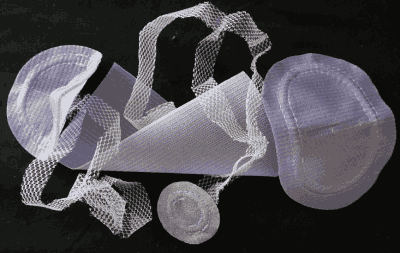
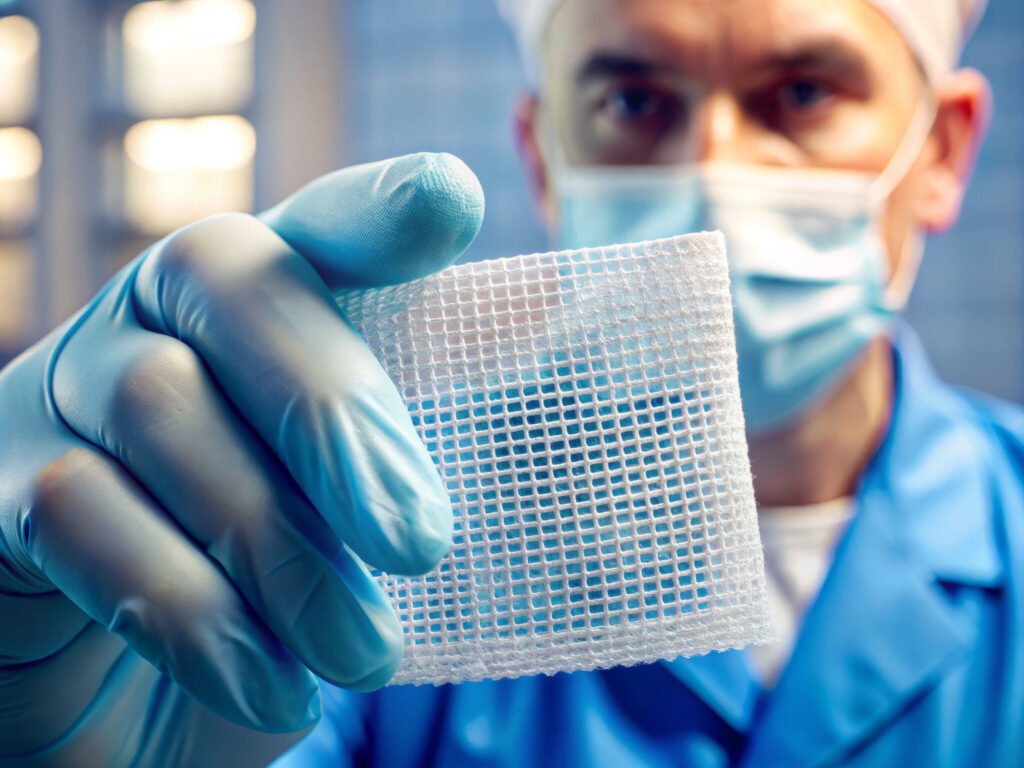
Hernia mesh implants are medical devices surgically placed to reinforce weakened tissue in hernia repair surgeries. They are widely used and many patients have benefited from their use. However, litigation alleges that certain mesh products were defective in design or manufacture, and/or that manufacturers failed to warn about known risks.


Key allegations include:

  • The mesh may migrate, shrink, fracture or erode, causing damage to adjacent organs or tissues.

  • The mesh may lead to adhesions, infections, and hernia recurrence requiring additional surgeries.

Some manufacturers allegedly approved devices under less rigorous pathways (e.g., 510(k) process) and did not sufficiently warn surgeons or patients of the risks.
In short: Plaintiffs claim the companies prioritized profit over patient safety by selling mesh implants without adequate testing, design robustness, or warnings.

Who Qualifies for This Lawsuit?

You may qualify to join a hernia mesh lawsuit if:

  • You underwent hernia repair surgery where mesh was implanted.


  • You experienced complications such as mesh migration, infection, recurrence of hernia, erosion into organs, chronic pain, revision surgery etc.


  • You have medical records documenting the mesh implant and subsequent complications or revision surgery.


  • You are within your state’s legal filing window (statute of limitations).


  • Your injury is reasonably linked to the mesh implant rather than an unrelated cause (this will be evaluated by an attorney).

Injuries or Damages Reported

The lawsuits have identified a range of serious harms linked to defective hernia mesh implants, including:

  • Chronic pain at the surgery site or radiating pain. 
  • Mesh migration or shrinkage, leading to malfunction or damage to internal organs or tissues.

  • Infection or sepsis related to the implanted mesh device.

  • Adhesions (mesh sticking to organs), bowel obstruction, organ perforation.

  • Hernia recurrence — the hernia returns because the mesh failed to reinforce properly.

  • Revision surgery (or multiple surgeries), hospital stays, extra recovery time, lost wages.

  • Emotional distress, reduced quality of life, long-term medical care expenses.
2023

Hernia mesh implants become widely used; complications start to be reported.


2010
Lawsuits begin to accumulate; device manufacturers face increasing scrutiny.


2018

Multiple MDLs (multidistrict litigations) consolidate large numbers of hernia mesh cases for manufacturers such as Bard/Davol, Ethicon, Atrium, Covidien.


2024–2025

Over 20,000 cases pending across major MDLs.

How to File a Claim

Filing a claim is simple and confidential:

  1. Complete the short form below with your details.

  2. A participating class-action / mass-tort attorney will review your case.

  3. If you qualify, they will help file your claim and guide you through the legal process.

  4. No upfront fees — you pay only if you receive compensation.

  • Payouts vary by manufacturer and injury severity. For the Bard/Davol settlement, "quick pay" offers typically range from $25,000 to $60,000, while severe cases (multiple revisions/permanent damage) can exceed $100,000. The Covidien litigation is still active, with individual trial verdicts potentially reaching into the millions. Class Action Winning works with attorneys who fight to ensure you are placed in the highest possible compensation tier.

  • Yes, and it is urgent. With major settlements already in progress (like Bard), the window to file is closing in many states. If you miss your state's "Statute of Limitations" (often 2 years from when you discovered the mesh failure), you will be permanently barred from receiving money.

  • No. All cases in the Class Action Winning network are handled on a "contingency fee" basis. You pay $0 upfront. The legal team only gets paid a percentage of the settlement if you win. If you don't get paid, they don't get paid.

  • The most critical document is your "Operative Report" or "Implant Sticker" from your surgery, which identifies the specific mesh model (e.g., Bard Ventralex, Covidien Parietex). If you don't have this, don't worry—your lawyer can request it from the hospital on your behalf.

  •  Yes. Hernia mesh complications often don't appear for 5, 10, or even 15 years after surgery. The legal deadline usually starts from when you discovered the injury, not the date of the original surgery. This is known as the "Discovery Rule."

    Q6: Who are the active defendants in these lawsuits?A: While Atrium (C-Qur) and Ethicon (Physiomesh) have largely settled, the most active litigation right now is against:

    • C.R. Bard / Davol (Settlement phase).
    • Covidien / Medtronic (Active trial phase).

    Gore Medical (Investigatory phase).

  • The lawsuits cover many polypropylene and polyester mesh products, including:

    • Bard: Ventralex, PerFix Plug, 3DMax, Sepramesh.
    • Covidien: Parietex (Composite, ProGrip), Symbotex.
    • Ethicon: Physiomesh (Recalled).
    • Atrium: C-Qur (Coated mesh).
  • Some have, but most have not. Ethicon Physiomesh and Atrium C-Qur faced market withdrawals, but most Bard and Covidien meshes remain on the market. The lawsuit argues they should be recalled due to high failure rates, even if the FDA hasn't forced it yet.

  •  You likely do not have a claim yet. These lawsuits are for "actual injury" (pain, infection, recurrence). However, you should monitor your health closely. If you start experiencing sharp pain, swelling, or heat at the surgery site, contact a doctor and then Class Action Winning immediately.

  • It depends on the manufacturer. Bard claimants are beginning to see settlement offers now (2025/2026) after years of waiting. Covidien claimants are likely further away from payout, as bellwether trials are scheduled for 2026. Starting your claim early ensures you are in line when the funds are released.

 “I had a hernia repair with mesh and months later started severe pain and needed another surgery. Class Action Winning helped me understand that I might have a claim and connected me with the right attorney. I finally feel someone is fighting for me.”

Michael D.
Ohio

 “After my mesh implant migrated and caused organ damage, I was lost. The hernia mesh lawsuit page on Class Action Winning explained things clearly, no legal-speak, just what I needed. I’m glad I reached out.”

Lisa K.
Texas

“The idea of suing a big manufacturer seemed impossible. But thanks to Class Action Winning I got a lawyer who took my case seriously, helped gather my records, and now we’re moving forward with hope.”

Rahul M.
California

“My initial hernia repair was supposed to help me — but instead I ended up back in surgery. Class Action Winning was the beacon of help I didn’t know I needed.”

Amanda P.
Illinois
3276