Chemical Hair Relaxers Cancer Lawsuit

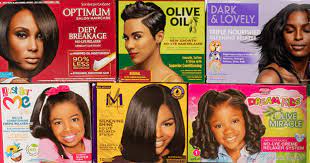
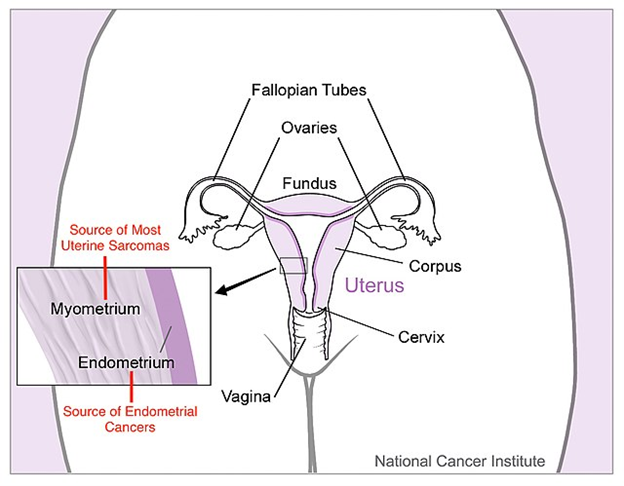
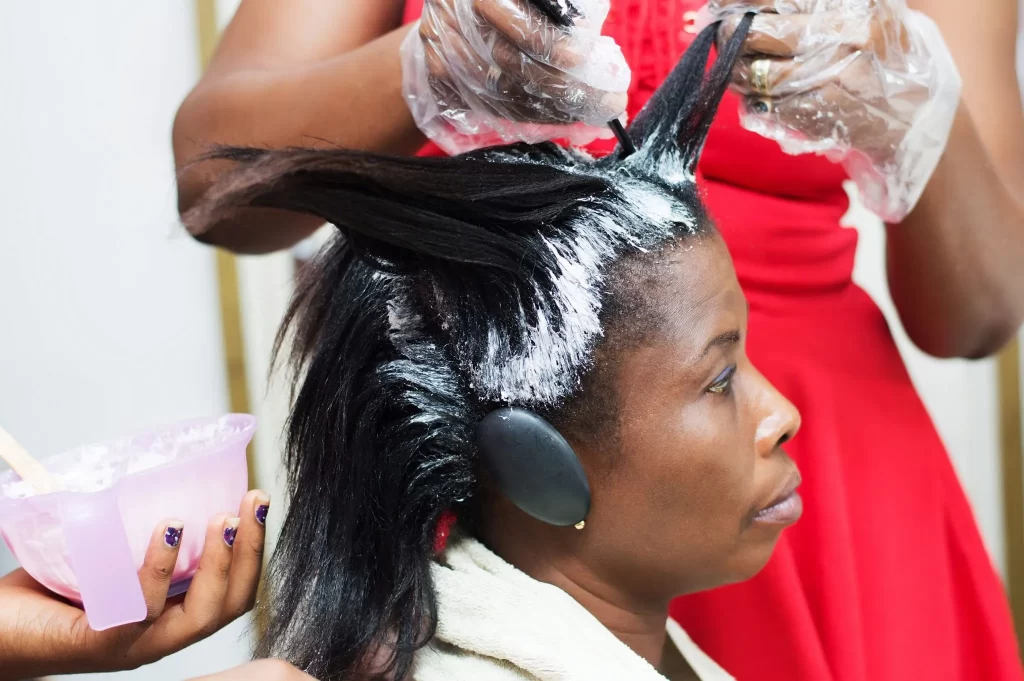
Millions of individuals are filing hair relaxer cancer lawsuits against major beauty brands, claiming that prolonged use of chemical hair straighteners has led to serious health issues including uterine cancer, ovarian cancer, endometrial cancer, and breast cancer. If you developed cancer after using chemical hair relaxer products, you may be entitled to significant financial compensation through a class action lawsuit or multidistrict litigation (MDL).

Quick Facts Table

Category

Detail

Lawsuit Status

Active – MDL No. 3060

Product Type

Chemical hair relaxers (e.g., lye and non-lye formulas)

Defendants

L’Oréal, Revlon, and other cosmetic companies

Potential Compensation

Up to $300,000 or more, depending on medical condition and evidence

Deadline to File

TBD – Filing windows currently open in most states

What is the Chemical Hair Relaxers Cancer Lawsuit About?

Thousands of consumers are pursuing legal action against companies that manufacture chemical hair straightening products. These lawsuits claim that the products contain endocrine-disrupting chemicals such as parabens, phthalates, and formaldehyde-releasing agents, which research links to a significantly higher risk of developing gynecological cancers.

A 2022 NIH study found that women who frequently used hair relaxers were more than twice as likely to develop uterine cancer compared to non-users. Despite these findings, manufacturers allegedly failed to disclose the risks, marketing their products as safe and effective for long-term use.

Today, over 10,000 cases have been consolidated under a federal MDL in Chicago, targeting brands like L’Oréal (Dark & Lovely) and Revlon.

Who Qualifies for This Lawsuit?

You may qualify to join the chemical hair relaxer lawsuit if you:

  • Regularly used chemical hair relaxers (e.g., 4+ times per year)

  • Were diagnosed with uterine, ovarian, endometrial, or breast cancer

  • Have medical documentation linking product use to diagnosis

  • Are within your state’s statute of limitations

Injuries or Damages Reported

Common injuries linked to hair relaxer exposure include:

  • Uterine cancer

  • Ovarian cancer

  • Endometrial cancer

  • Breast cancer

Fibroids, reproductive issues, and hormonal imbalances

History of the Lawsuit

How to File a Claim

Filing a claim is simple and confidential:

  1. Fill out the short form below
  2. A participating class action attorney will review your case
  3. If you qualify, they’ll file your claim and guide you through the legal process
  4. You pay nothing unless compensation is awarded
October 2022

First lawsuit filed by a user linking relaxers to uterine cancer

Late 2022

 A groundbreaking study by the National Institutes of Health (NIH) is released, further highlighting the link between frequent hair relaxer use and an increased risk of uterine cancer. This scientific backing sparks a significant increase in legal inquiries and new filings.
Early 2023

A jury awards $60 million in damages to the family of a premature infant who died from NEC after being fed Enfamil. This marks the first major verdict against Mead Johnson in the litigation.

February 2023

The number of individual lawsuits consolidated within the MDL rapidly surpasses 10,000, indicating the widespread impact of the alleged injuries.
Mid-2023
Federal Case Count Nears 750

The court begins the process of selecting "bellwether" cases—representative lawsuits chosen for early trials to test legal theories, assess scientific evidence, and provide insights into potential settlement values for the broader litigation.

2024–2025

 The first round of bellwether trials gets underway, with juries hearing evidence and arguments from both plaintiffs and defendants. These trials are crucial in determining the future direction and potential scope of settlements.

  • Settlements can exceed $100,000, depending on your diagnosis, medical costs, and other damages.

  •  Yes. Deadlines vary by state. You must act fast to preserve your legal rights.

  •  No. These cases work on a contingency fee basis, meaning you pay nothing unless you win.

  •  Medical records, proof of relaxer use (receipts, salon records, product packaging), and your diagnosis date.

  •  Uterine, endometrial, ovarian, and breast cancer are all part of the current litigation.

  •  Endocrine-disrupting compounds like parabens, phthalates, and formaldehyde-releasing agents.

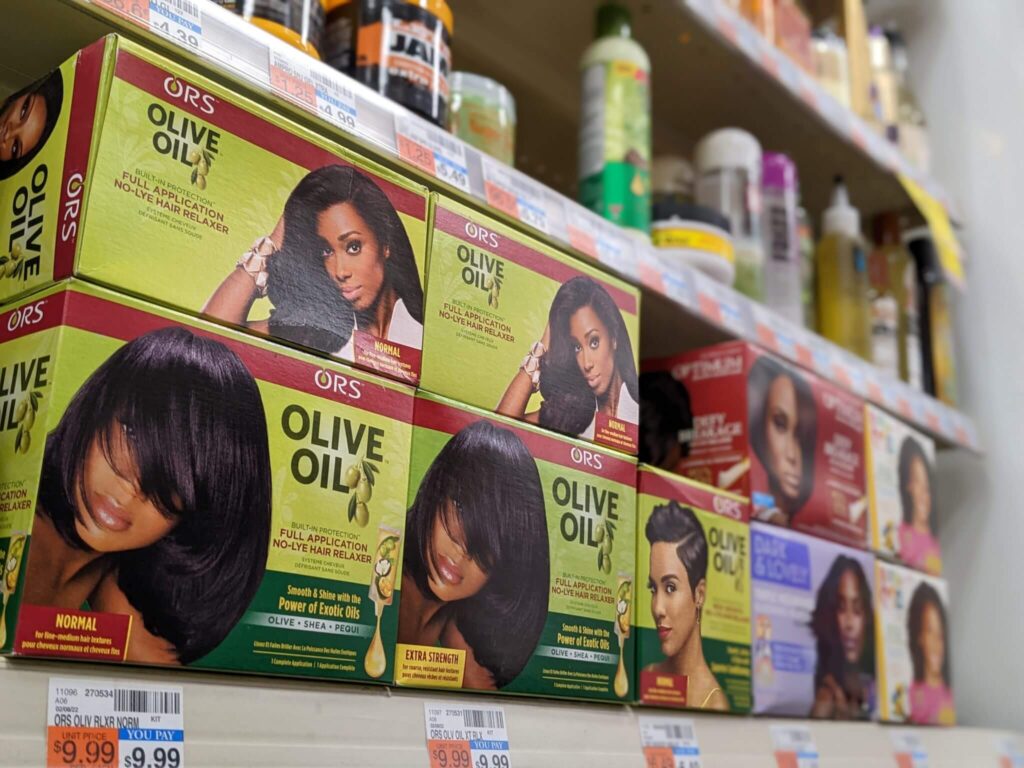
  •  Major defendants include L’Oréal, SoftSheen-Carson, Dark & Lovely, Revlon, and others.

  •  No. Only chemical-based relaxers with carcinogenic ingredients are included — not natural or heat-based methods.

"I had no idea my health issues were connected to my hair products. Class Action Winning helped me get clarity and start my claim fast. The lawyer they connected me with was professional and kind."

Amanda L
Georgia

"I used relaxers for years without knowing the risks. Thanks to this site, I’m now part of the lawsuit and feel like I finally have a voice."

Raquel M.
Texas

 "The whole process was easier than I expected. Class Action Winning explained everything clearly and got me in touch with a great legal team. Highly recommend!"

Sabrina T.
New York

 "This site made it easy to see if I was eligible. I never thought I could be compensated for what happened, but now I have hope."

Janelle B.
Florida

 "After years of feeling ignored, this lawsuit has finally made companies take responsibility. Class Action Winning helped me take the first step toward justice."

Danielle C.
California