Zantac (Ranitidine) Lawsuit

Understanding the Zantac Cancer Lawsuit

The Zantac lawsuit focuses on claims that long-term use of Zantac (ranitidine) caused serious health issues, including bladder cancer, stomach cancer, liver cancer, and other forms of cancer. Plaintiffs allege that manufacturers failed to warn users about the presence of NDMA, a probable human carcinogen, in the medication.

If you or a loved one were diagnosed with cancer after taking Zantac, you may qualify for compensation through the Zantac lawsuit MDL (Multidistrict Litigation).

What is Zantac?

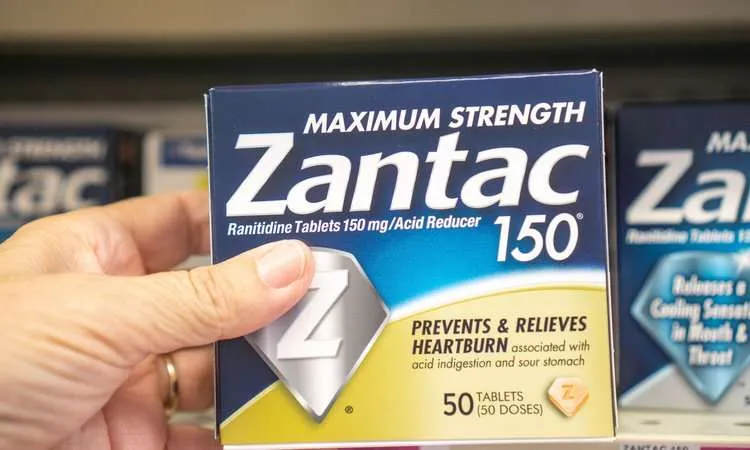
Zantac was a popular antacid drug since the 1980’s. Ranitidine hydrochloride, better known under the commercial name Zantac, was an antacid medication available as an over-the-counter drug and by prescription from a physician. Millions of people used the drug to treat acid reflux, heartburn, Barrett’s esophagus, gastric and duodenal ulcers, gastroesophageal reflux disease (or GERD), and other gastrointestinal issues.

It belongs to the class of drugs known as H2 (or histamine02) blockers. OTC ranitidine was commonly used to relieve and prevent heartburn. Prescription strengths were also used to treat and prevent more severe ulcers in the stomach and intestines.

Based upon the FDA’s ongoing investigation, levels of a carcinogen called nitrosamine (N-nitrosodimethylamine or NDMA)  in the heartburn medication increase over time and posed a risk of cancer when stored at higher than room temperatures.

Testing and Research

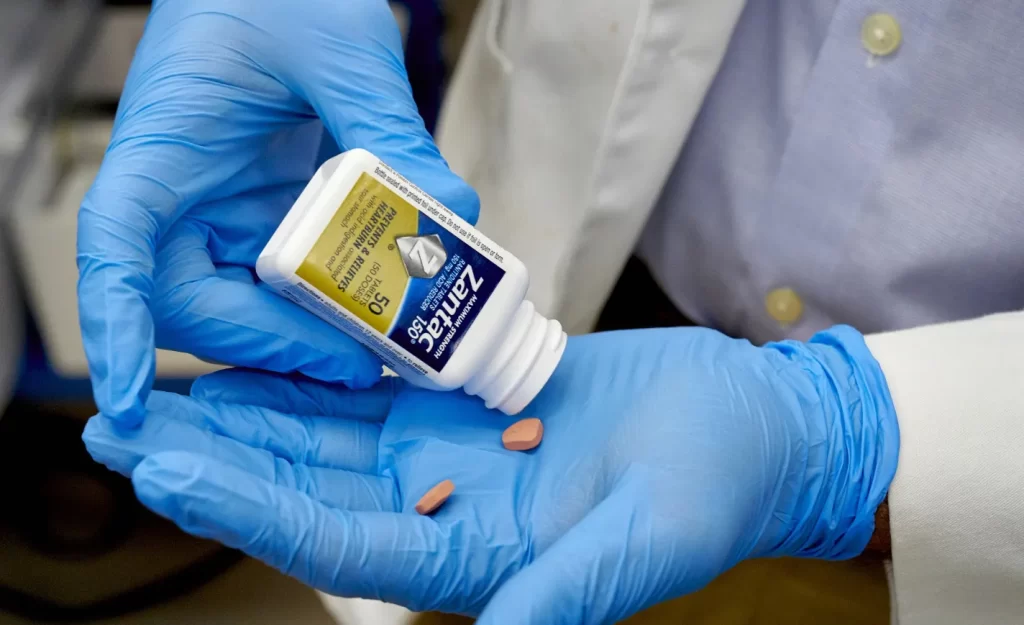
Testing by the U.S. Food and Drug Administration (FDA) showed that Zantac, the household heartburn medication, contained a cancer-causing chemical NDMA. It was found in both the drug and generic versions at excessively more significant amounts than the daily intake limit when tested under the FDA recommended protocols.

Testing and research from public and private groups found that NDMA resulted from the “inherent instability” of the ranitidine molecule. All manufacturers, brand or generic, and lots of ranitidine-containing medications were affected and could generate very high levels of NDMA in the human body.

Allegations in the Zantac Lawsuit

  • Failure to warn consumers about NDMA contamination in Zantac.

  • Development of cancer linked to long-term Zantac use, including bladder, liver, stomach, and esophageal cancers.

  • Negligence in monitoring product safety and disclosing risks.

  • Misleading marketing suggesting Zantac was safe for prolonged use.

Who Qualifies for the Zantac Lawsuit?

You may be eligible if you:

  • Took Zantac (ranitidine) for heartburn, acid reflux, or related conditions.

  • Were diagnosed with cancer potentially linked to Zantac, including bladder, stomach, liver, colon, kidney, or esophageal cancer.

  • Have medical records confirming Zantac use and cancer diagnosis.

Zantac Lawsuit Compensation

Potential compensation may include:

  • Medical treatment costs, including cancer care and surgery

  • Pain and suffering from illness

  • Lost wages due to treatment or disability

  • Emotional distress and related damages

  • Settlement amounts vary depending on type of cancer, severity of injuries, and personal impact.

Zantac Lawsuit Updates 2025

The Zantac lawsuit continues under federal MDL proceedings. Attorneys are reviewing new claims and helping victims explore eligibility for potential settlements and compensation.

Zantac Lawsuit Attorneys

Qualified law firms assist plaintiffs in filing Zantac cancer lawsuits, evaluating eligibility, collecting evidence, and pursuing fair compensation through MDL litigation.

  • The strongest cases involve cancers that the lawsuits link to NDMA exposure, including Bladder Cancer, Stomach Cancer (Gastric), Esophageal Cancer, Liver Cancer, Pancreatic Cancer, and Colorectal Cancer.

  • Generally, plaintiffs must demonstrate long-term use of Zantac (prescription or OTC). Most successful claims involve individuals who took the medication regularly for at least one year before their cancer diagnosis.

  • The defendants include the various manufacturers of Zantac and generic ranitidine, such as GlaxoSmithKline (GSK), Sanofi-Aventis, Pfizer, and Boehringer Ingelheim, depending on when the drug was sold.

  • The litigation is ongoing and highly active. While some cases were dismissed in federal court, tens of thousands of lawsuits continue in state courts. There have been significant settlements reached with manufacturers like GSK and Sanofi.

  • Cases are being filed as a mass tort, which allows families to pursue claims individually while sharing resources and evidence.

“I took Zantac for years and was later diagnosed with stomach cancer. The lawsuit helped me understand my rights and get legal support.”

– Mark P.

“NDMA in Zantac caused my bladder cancer. Joining the lawsuit gave me hope for compensation.”

– Lisa M.

“My liver cancer diagnosis came after long-term Zantac use. The attorneys guided me through every step of the lawsuit.”

– Robert T.

“I suffered serious health issues from Zantac. This lawsuit is helping hold the company accountable.”

– Jennifer K.

“Filing a claim for the Zantac lawsuit was simple, and my attorney explained everything clearly.”

– Emily R.