Gastric cancer can develop over time, often with symptoms that seem mild at first. Many people dismiss the warning signs as common stomach problems, leading to a later diagnosis when the disease has already advanced.
Common symptoms include:
Ongoing stomach pain or discomfort
Frequent nausea or vomiting
Unexplained weight loss
Loss of appetite
Difficulty swallowing
Blood in the stool
If you’ve experienced any of these symptoms after prolonged Nexium or Prilosec use, it’s essential to speak with a doctor. Early detection can make a difference in treatment outcomes.
Why Are People Filing Lawsuits?
People diagnosed with gastric cancer after using Nexium or Prilosec for a year or more are now taking legal action against the drug manufacturers. These lawsuits claim that:
The pharmaceutical companies knew or should have known about the risks.
They failed to warn doctors and patients about the potential for long-term harm.
Safer alternatives were available, but PPIs were aggressively marketed as the best treatment.
Many people stayed on these medications for years without realizing the risks.
Had these warnings been provided sooner, patients may have chosen different treatment options or undergone regular screenings to catch cancer at an earlier stage. Instead, many have been left dealing with life-altering consequences.
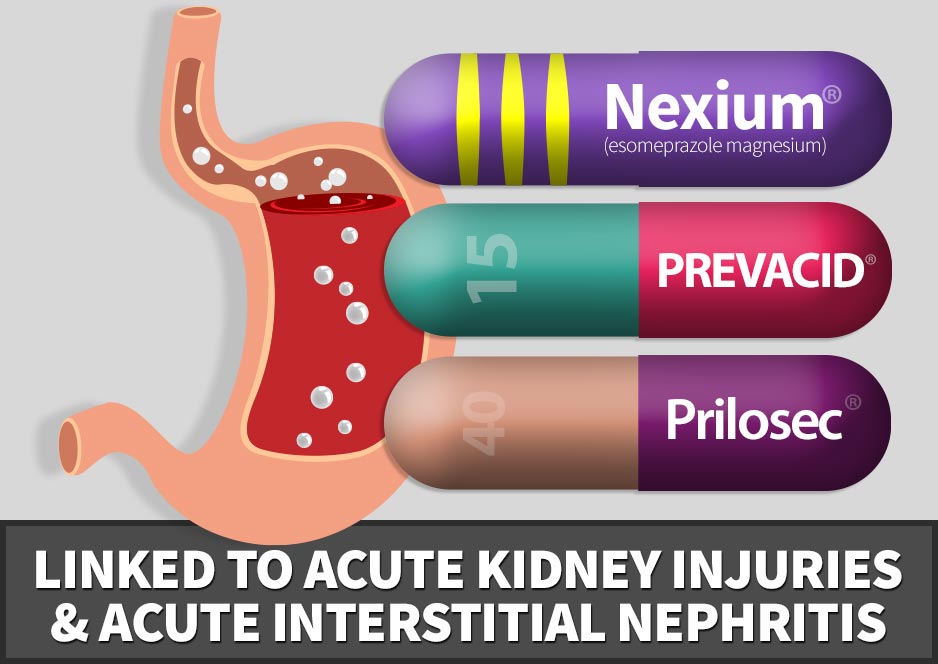
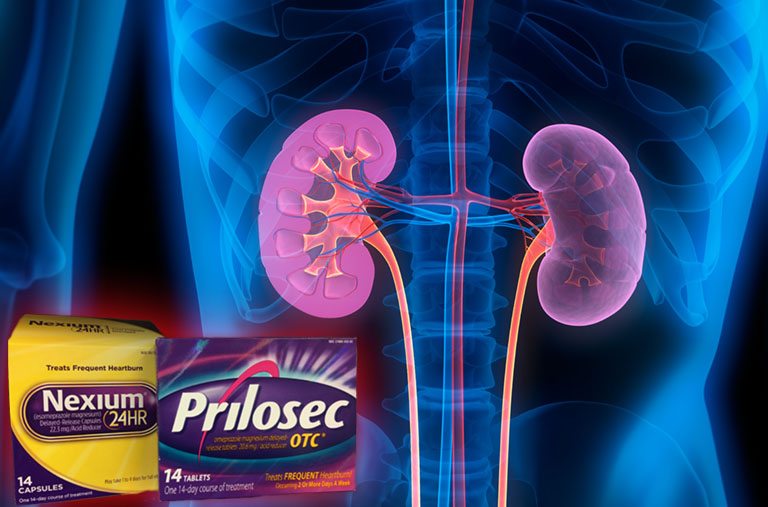
The lawsuits allege that the long-term use of these Proton Pump Inhibitor (PPI) drugs causes serious, undisclosed side effects, primarily kidney injuries such as Acute Interstitial Nephritis (AIN), Chronic Kidney Disease (CKD), and kidney failure.
Is there a deadline to file?
Yes. Each state has its own statute of limitations, usually 1–6 years after diagnosis or discovery of harm.
Do I need to pay a lawyer upfront?
No. These cases are handled on a contingency basis, meaning you only pay if you win.
What documentation is needed?
Medical records, proof of diagnosis, and ideally, purchase history of baby food products.
Which companies are being sued?
Several major baby food manufacturers are under legal scrutiny for selling products with unsafe levels of toxic metals.
Is this a class action or mass tort?
Cases are being filed as a mass tort, which allows families to pursue claims individually while sharing resources and evidence.
“I took Nexium for years and was later diagnosed with gastric cancer. The lawsuit helped me understand my rights and seek compensation.”
– Karen P.
“Prilosec caused serious health issues for me. Joining this lawsuit gave me hope for medical cost coverage.”
– James L.
“The attorneys explained every step of the MDL. I feel supported and confident in my case.”
– Maria S.
“After my gastric cancer diagnosis, I joined the lawsuit. It’s reassuring to know I’m not alone in this fight.”
– William R.
“Filing a claim for the Nexium Prilosec lawsuit was simple, and my attorney guided me through the process.”