

Dupixent Lawsuits (Defective Drugs & Medical Devices)

Patients and families are filing (and investigating) lawsuits alleging the eczema/asthma drug Dupixent® (dupilumab) caused serious injuries—most notably cutaneous T-cell lymphoma (CTCL) and severe ocular complications (conjunctivitis/keratitis)—and that manufacturers failed to adequately warn about these risks. If you or a loved one used Dupixent and later developed lymphoma, persistent eye inflammation, vision problems, or other complications, you may be eligible for compensation.

Quick Facts

CategoryDetail
Program Name Defective Drugs & Medical Devices
Administered By

Active investigations; individual lawsuits are being filed. As of December 2025, there is no MDL or class action specifically for Dupixent.

Drug / Manufacturer

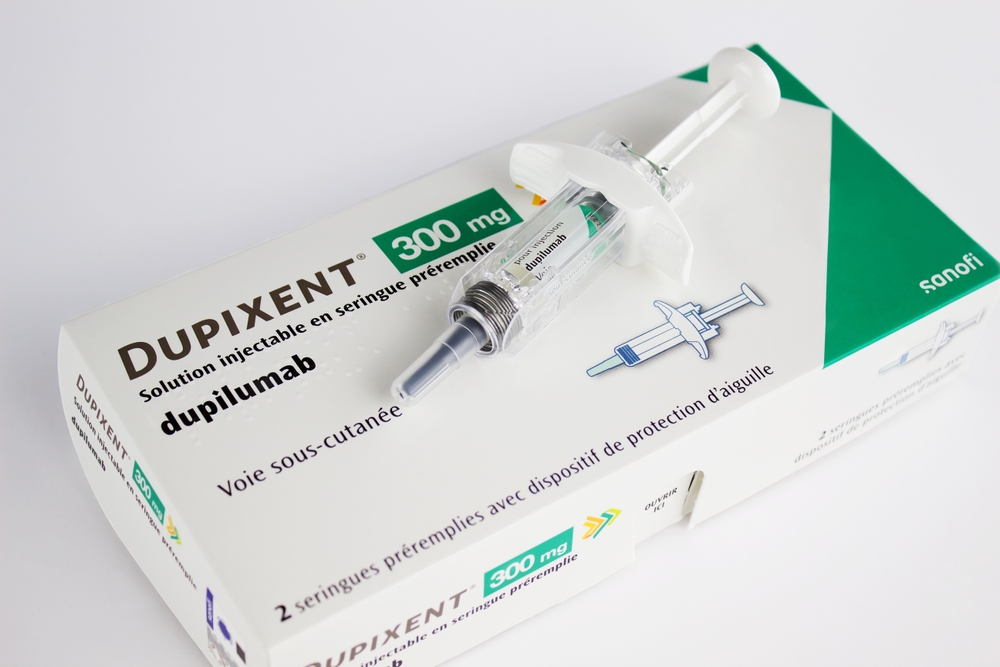
Dupixent® (dupilumab) — Sanofi & Regeneron Pharmaceuticals. 

Eligibility CriteriaUsed Dupixent for eczema
Key Allegations/ChallengesFailure to warn of potential CTCL/lymphoma risk; inadequate warnings and safeguards around serious ocular side effects (conjunctivitis, keratitis, corneal injury).
Compensation Types Varies by severity and proof. Some plaintiff firms speculate ranges such as $100,000–$500,000 in severe CTCL cases—early, case-specific estimates only.
Appeal Options Depends on your state’s statute of limitations and the discovery rule (when the injury was or should have been discovered). Act promptly to preserve your rights.
  
What Is the Dupixent Lawsuit About?

Plaintiffs allege that Dupixent can mask or be associated with CTCL, a rare blood cancer that can resemble eczema—potentially leading to delayed diagnosis—and that the manufacturers failed to adequately warn about this risk. Separate claims focus on serious eye injuries (e.g., conjunctivitis, keratitis) documented in trials and post-marketing reports. Defendants deny wrongdoing.

Who Qualifies for This Lawsuit?

You may qualify if you (or your loved one):

  • Used Dupixent for eczema (atopic dermatitis), asthma, COPD/CSU, or other approved indications; and later

  • Were diagnosed with CTCL or another T-cell lymphoma, or suffered serious, persistent ocular injuries (conjunctivitis/keratitis with vision changes) documented by a clinician; and

  • Have medical records (diagnoses, biopsy/pathology for lymphoma; ophthalmology notes for eye injuries), Dupixent treatment records, and evidence connecting use to harm; and


Injuries or Damages Reported

  • Cutaneous T-cell lymphoma (CTCL) or related T-cell lymphomas following Dupixent use.

  • Ocular complications: conjunctivitis, blepharitis, keratitis, dry eye; in rare cases, cicatricial disease/corneal ulcer and vision changes.

Medical expenses, lost income, pain & suffering; in fatal cases, wrongful-death damages.
2017–2024

FDA approvals for multiple conditions; label notes ocular adverse reactions (conjunctivitis/keratitis).

Sept 27, 2024

FDA approves Dupixent for certain COPD patients (add-on), expanding use.

2024–2025

First lawsuits filed alleging CTCL after Dupixent; reports of a Tennessee wrongful-death case (Nov 2025).

Late 2025

No MDL; firms continue investigations and filings nationwide.

How to File a Claim

  1. Fill out the short form below with your basic information.

  2. A participating attorney experienced in pharmaceutical injury will review your situation.

  3. If you qualify, your attorney will help collect medical/treatment records, pathology/ophthalmology reports, and proof of Dupixent use, then file your claim and pursue settlement or trial.

  4. No upfront cost — cases are typically on contingency (you pay only if compensation is recovered).
  •  Causation is the central dispute. Lawsuits allege a link to CTCL and inadequate warnings; the FDA label does not list CTCL as a confirmed risk but law firms cite cases/studies raising concern. Courts will weigh expert evidence.

  • Clinical trials/post-marketing describe conjunctivitis and keratitis (sometimes with blurred vision); most cases are manageable, though severe/persistent disease has been reported.

  • Not currently. As of December 2025, cases are early and individualized; no MDL has been formed.

  • Highly variable and case-specific. Some firms suggest speculative ranges (e.g., $100k–$500k for severe CTCL), but outcomes depend on diagnosis severity, proof of causation, medical costs, and jurisdiction.

  • Possibly. Many states apply a discovery rule (clock may start when you learned the injury could be linked). Act quickly to avoid missing deadlines.

  •  Sanofi and Regeneron, the developers/manufacturers of Dupixent.

  •  Timelines vary. Some cases may resolve in early negotiations; others require full litigation. Your attorney can estimate based on your facts and jurisdiction.

"After my CTCL diagnosis, we finally connected the dots to my medication. Class Action Winning helped us understand our options with compassion."

Evelyn R
texas

 “My eye inflammation wouldn’t quit. This site explained the Dupixent risks and how to document everything for review.”

Maria S.
New Jersey

 “We didn’t know where to start. The checklist here made gathering records simple.”

Marisol
Florida

 “Months of eye inflammation left us confused. This page finally connected the dots and showed us what records to gather.”

Lena M.
Washington

 “My dermatologist raised CTCL as a possibility and we panicked. Class Action Winning broke the process into calm, doable steps.

Robert D
Pennsylvania

 “I didn’t know pharmacy paperwork mattered so much. Their checklist made getting my Dupixent records quick and painless.”

Ashley F
Ohio
25431