Patients who had a Bard PowerPort implantable port-catheter device are filing lawsuits alleging the device fractured, migrated or otherwise failed — causing serious complications. If you had a Bard PowerPort implanted and suffered injury due to device failure, you may be entitled to compensation.
Quick Facts
What is the Bard PowerPort Lawsuit About?
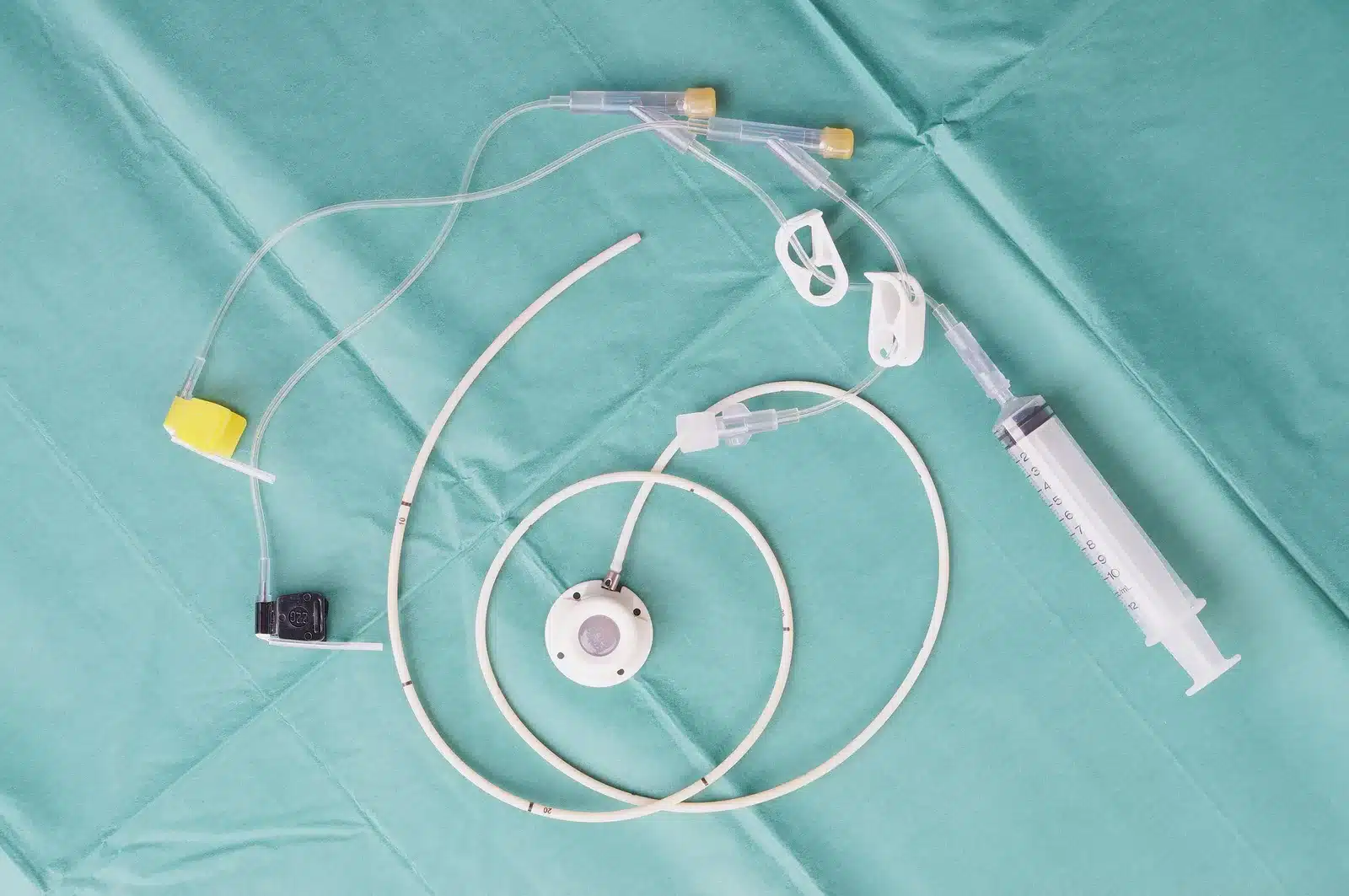
The Bard PowerPort is an implantable port and catheter system used for long-term vascular access (such as chemotherapy, fluids, medications).
Lawsuits allege that certain models of the device were defectively designed or manufactured — particularly the catheter portion containing barium sulfate or other materials prone to cracking, fracturing or degrading.
Plaintiffs claim the manufacturer failed to provide adequate warnings about risks such as catheter fracture, migration, infection, blood clots, or vascular/organ damage — thereby putting patients at unreasonable risk.
Who Qualifies for This Lawsuit?
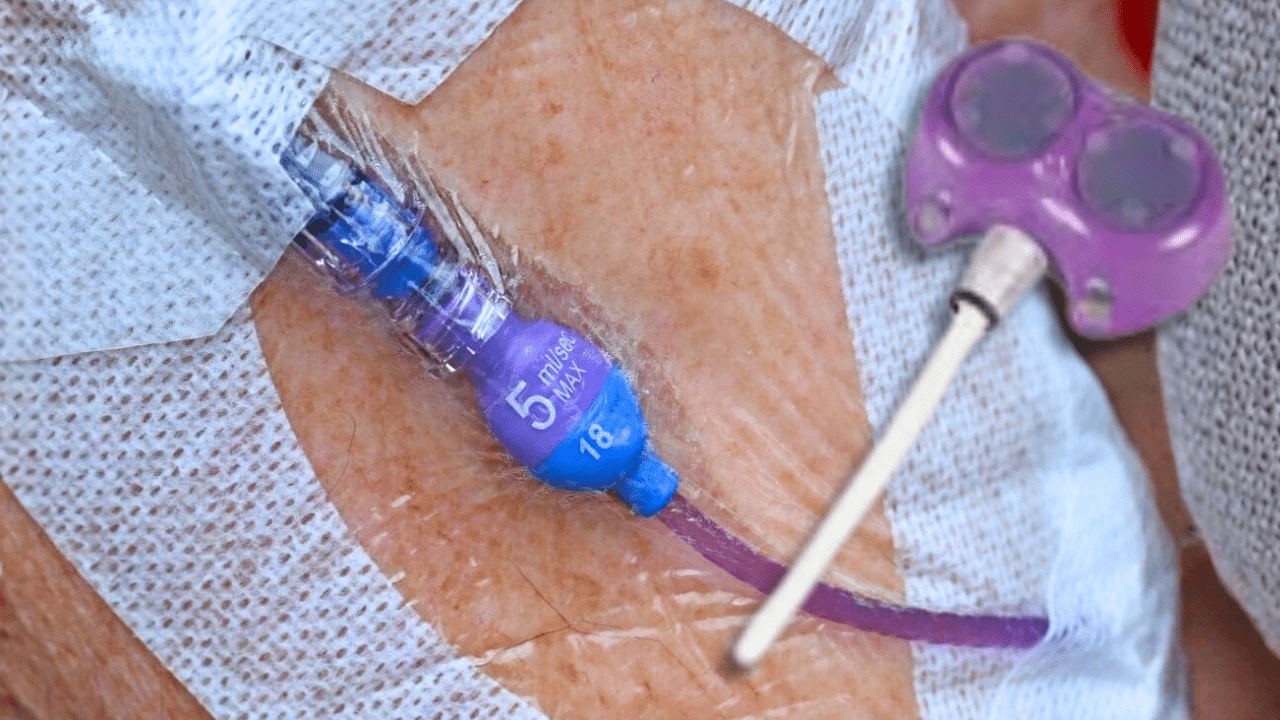
You may qualify to join the Bard PowerPort litigation if:
- You had a Bard PowerPort implantable port-catheter device (or certain Bard port models) implanted.
- You experienced a related serious injury or complication after implantation — for example: catheter fracture, migration/displacement, bloodstream infection/sepsis, deep-vein thrombosis, organ or vascular perforation.
- You have medical records documenting the device implantation and subsequent complications or revision surgery.
- You are within the time-limit to file a claim in your state (check statute of limitations).
- Your injury is directly tied to the device malfunction rather than other unrelated causes (this will be evaluated by your attorney).
Injuries or Damages Reported
Lawsuits have identified numerous harms linked to Bard PowerPort device failures, including:
- Catheter fracture or breakage inside the body, sometimes leaving fragments circulating or lodged inside vessels.
- Migration or displacement of the port or catheter tubing, causing malfunction or trauma.
- Serious infections at the port site, bloodstream infections (sepsis), or device-related infections due to cracks/voids in catheter material.
- Blood clots (deep vein thrombosis, pulmonary embolism) resulting from compromised or migrated catheter material.
- Organ or vascular damage: perforation of vessels or organs by broken catheter fragments.
- Revision surgeries: removal of the implant, repair of damage, longer hospitalization, additional medical care.
Emotional distress, lost wages, and reduced quality of life due to the complications and treatment.

Federal panel consolidates Bard PowerPort lawsuits into multidistrict litigation (MDL No. 3081) in U.S. District Court for Arizona.
Increasing filings; discovery, expert depositions, device analyses underway.
Over 1,000 lawsuits pending; bellwether/trial schedule preparation underway.
Bellwether trials anticipated (tentative dates set) and potential settlement discussions expected to intensify.
Litigation is ongoing; more cases expected and settlement discussions may emerge.
How to File a Claim
Filing a claim is simple and confidential:
- Complete the short form below with your details.
- A participating class-action / mass-tort attorney will review your case.
- If you qualify, they will help file your claim and guide you through the legal process.
- No upfront fees — you pay only if you receive compensation.
-
What is the estimated payout for a Bard PowerPort lawsuit?
Since no global settlement has been reached yet, amounts are estimates. However, lawyers project thatserious injury claims (involving catheter fracture or infection) could settle between$150,000 and $300,000, with catastrophic cases potentially exceeding$1 million.Class Action Winning works with attorneys who aim to secure the maximum compensation for your specific injury.
-
Is there a deadline to file my claim?
Every state has a strict "Statute of Limitations" (often 1–2 years from the date you discovered the injury). If you miss this window, you will be permanently barred from suing. We recommend submitting your details toClass Action Winning immediately so a lawyer can check the specific deadline for your state.
-
Do I need to pay a lawyer upfront?
No. All cases in our network are handled on a "contingency fee" basis. You pay$0 out of pocket to start. The legal team only receives a percentage of the settlement if you win. If you do not receive compensation, you pay nothing.
-
What documents will I need to prove my case?
To build a solid claim, you will eventually need:
- Implantation Records: Proof of which device was used (e.g., sticker from your surgery).
- Medical Records: Documentation of the complications (fracture, infection, migration).
- Proof of Removal: Records showing the device was removed or revised due to failure.
- Note: Your lawyer can help you retrieve these documents if you don't have them handy.
-
Can I file a lawsuit if my PowerPort is still working fine?
Generally, no. The lawsuits are based on "actual injury." If you have the device but have suffered no pain, infection, or malfunction, you typically do not have a claim yet. However, you should monitor your health closely and consult a doctor if you experience any new symptoms.
-
Who are the defendants in this lawsuit?
The primary defendants areBard Access Systems, Inc. and its parent company,Becton, Dickinson and Company (BD). The lawsuits allege they manufactured defective devices containing a high concentration of barium sulfate, which weakened the catheter material.
-
Which specific Bard PowerPort devices are involved?
The litigation covers several "Chronoflex" polyurethane catheters, including:
- PowerPort ClearVUE™ (Slim, ISP, MRI)
- PowerPort MRI™
- Groshong™ Central Venous Catheters
- If you aren't sure which model you had, a lawyer can verify it using your medical records.
-
Has the Bard PowerPort been recalled?
No. There has been no full market withdrawal for the "material degradation" issue alleged in these lawsuits. While there have been minor recalls for specific lots (e.g., incorrect barb tips), the device remains widely used. This is a key part of the lawsuit: plaintiffs argue the deviceshould have been recalled or redesigned.
-
What if I had complications but don’t know the model name?
This is very common. You do not need to know the model name to start your inquiry. By signing a HIPAA release with your attorney, they can request your "Operative Report" from the hospital where your surgery took place. This report will list the specific device and lot number to confirm your eligibility.
“I trusted the PowerPort to help with my chemo access. When it fractured inside me and caused a blood clot, I felt unsafe and abandoned. Class Action Winning helped me get the attorney who reviewed my case and gave me hope.”
Sandra H.
“After the port device migrated I ended up in the ICU with an infection and lost time at work. The Bard PowerPort page on Class Action Winning explained everything simply, and I finally felt someone was fighting for me.”
James V.
“I wasn’t sure if my surgery and revision were because of the port, but the site helped me understand the risk and my rights. It made the process so much more manageable.”
Priya K.
“I always assumed the port was safe — until it caused a serious infection. Thanks to Class Action Winning I’m no longer alone in this. Now we’re fighting back.”